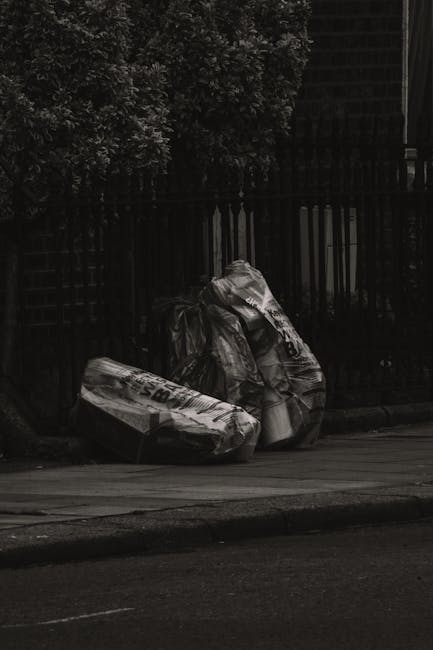
Rotherhithe bulky rubbish collection SE16: a practical guide for homes, flats and busy local businesses
If you are dealing with a sofa that will not fit through the hallway, a broken wardrobe, an old mattress, or a pile of mixed items that has quietly grown into a headache, Rotherhithe bulky rubbish collection SE16 is probably exactly what you need. It sounds simple enough, but in real life bulky waste is rarely just "one big item". It is often awkward, heavy, dusty, and inconvenient at the worst possible time.
This guide explains how bulky rubbish collection works in Rotherhithe, when it makes sense, what to watch out for, and how to choose a method that saves time without creating extra hassle. You will also find a checklist, a comparison table, and a few practical tips that are especially useful in flats, maisonettes, and narrow London streets. Let's face it, nobody wants to spend a whole Saturday wrestling with an old sofa and a sense of regret.
Table of Contents
- Why Rotherhithe bulky rubbish collection SE16 matters
- How Rotherhithe bulky rubbish collection SE16 works
- Key benefits and practical advantages
- Who this is for and when it makes sense
- Step-by-step guidance
- Expert tips for better results
- Common mistakes to avoid
- Tools, resources and recommendations
- Law, compliance, standards, or best practice
- Options, methods, or comparison table
- Case study or real-world example
- Practical checklist
- Conclusion
- Frequently asked questions
Why Rotherhithe bulky rubbish collection SE16 matters
Bulky waste is different from ordinary household rubbish. It takes up space, is often difficult to move safely, and can quickly become a problem if it blocks a landing, hallway, or storage area. In Rotherhithe, where lots of properties are flats, conversions, and tightly arranged homes, that matters even more.
The local reality is pretty straightforward: many people do not have a driveway, a ground-floor storage area, or the kind of lift that makes moving large items easy. Add in stairs, tight corners, controlled parking, or shared entrances, and a bulky item can become a small operation. That is why a proper bulky rubbish collection service can be such a relief.
It also matters because dumping bulky waste illegally or leaving it in communal areas creates problems for neighbours, building managers, and sometimes everyone in the block. No one wants a chipped dining table sitting by the bins for three days while everyone pretends it belongs to someone else.
For businesses in SE16, the issue can be even more practical. Offices, shops, landlords, and managed properties often need items removed quickly so the space can be reused. That is where organised removal starts to look less like a convenience and more like a sensible part of day-to-day property management.
Expert summary: the best bulky rubbish collection is the one that fits the property, the item type, and the timing you actually need. Not the fanciest option, just the one that clears the space cleanly and safely.
How Rotherhithe bulky rubbish collection SE16 works
Although every provider operates slightly differently, the process usually follows the same general pattern. First, you identify what needs removing. Then you decide whether it is a single-item job, a mixed-load clearance, or part of a larger clearance such as a furniture disposal or home clearance project.
After that, a quote is usually based on a few practical factors: the number of items, their size and weight, access, whether dismantling is required, and whether anything special is involved. A mattress, fridge, wardrobe, sofa, and office desk do not all behave the same on a staircase, sadly.
On collection day, the team typically arrives, confirms the load, and removes the items from where they are stored. If the item is too large to move in one piece, it may be broken down first. Some items are easier to clear alongside a wider general rubbish job, which is why a broader waste removal service can sometimes be the cleaner choice.
Good providers will also separate out recyclable materials where possible and handle restricted items properly. That matters because bulky waste is not just about getting things out of the way. It is about sending the right material to the right place afterwards.
For local customers, the main practical difference is usually access. If the van cannot park right outside, or if items need to be carried a distance, the service has to account for that. In a place like Rotherhithe, that part is not a minor detail. It is the whole game.
Key benefits and practical advantages
There are several reasons people choose bulky rubbish collection instead of trying to deal with items themselves. The first is obvious: it saves time. The second is less obvious but often more valuable: it reduces stress. Moving a heavy item through a home can be surprisingly frustrating, especially if the item turns sideways exactly when you thought you had it under control.
Here are the main advantages:
- Safer handling: bulky items can cause injury if lifted badly or dragged across floors.
- Less disruption: the job can be completed without you hiring equipment or taking multiple trips.
- Better for flats and shared buildings: a single collection can clear clutter fast and avoid communal mess.
- Suitable for mixed loads: useful when the bulky item is only part of a wider clear-out.
- Cleaner finish: a professional clearance tends to leave the area tidier than a do-it-yourself approach.
There is also a planning benefit. Once the item is gone, you can measure, move, redecorate, or simply breathe again. That sounds dramatic, but if you have been living around an old chest of drawers for six months, you know the feeling.
For landlords and managing agents, quick bulky item removal can help protect the appearance of a property between tenancies. For homeowners, it can free up space before a move, renovation, or room reorganisation. For offices, it clears the path for replacements, new layouts, or closure work. It is the sort of task that quietly improves everything else around it.
Who this is for and when it makes sense
Bulky rubbish collection in Rotherhithe SE16 suits a wide range of people. Some need it once, others need it regularly. The common thread is that the items are too large, awkward, or inconvenient to manage through normal household disposal.
This service often makes sense for:
- People replacing old furniture
- Residents moving out of flats or maisonettes
- Landlords clearing left-behind items after a tenancy
- Offices removing desks, chairs, and storage units
- Shops or workspaces refurbishing a room
- Families dealing with inherited or surplus belongings
- Homeowners clearing lofts, garages, or spare rooms
It can also be useful when the item itself is not especially valuable but the effort to move it is out of proportion to the result. A scratched sofa with sagging cushions, for example, is not something most people want to organise a mini expedition around.
And sometimes the timing is the real issue. You might be finishing a renovation, preparing for visitors, or working to a building handover deadline. In those moments, the value is not just removal. It is certainty.
If the item is part of a larger load, you may also want to look at more specific options such as flat clearance, house clearance, loft clearance, or garage clearance. That can sometimes be more efficient than booking item by item.
Step-by-step guidance
If you want the process to go smoothly, it helps to treat bulky rubbish collection as a short project rather than a quick favour. The difference is in the preparation. A little planning makes the day far less chaotic.
- List the items clearly. Write down what needs collecting and note anything unusual, such as broken parts, heavy frames, or attached fittings.
- Check access. Think about stairs, lift size, narrow hallways, parking constraints, and whether the item needs to be dismantled.
- Group similar waste together. If you also have appliances, fabric items, or mixed rubbish, it may be worth combining the load into one visit.
- Separate anything sensitive. Keep documents, valuables, and reusable items out of the clearance zone. You would be surprised how often a charger, photo album, or remote control turns up in a "junk" pile.
- Ask about restricted materials. If the load includes anything hazardous, broken glass, chemicals, or electrical items, check how it should be handled.
- Confirm the collection details. Agree the timing, access arrangements, and any expectations for removal from inside the property.
- Prepare the route. Clear the path from item to exit if possible. Move shoes, plant pots, bins, and anything else likely to catch.
- Do a final walkthrough. Before the team leaves, check that everything intended for removal has gone and nothing important has been taken by mistake.
If the job includes an appliance, a broken fridge, or a freezer, it may be worth using a dedicated fridge and appliance removal option. Sofas and mattresses can also benefit from dedicated handling through mattress and sofa disposal, especially where handling and recycling requirements matter.
Expert tips for better results
In our experience, the jobs that go most smoothly are the ones where the customer has given just a bit more thought to the practical side. Nothing fancy. Just enough to remove friction.
Tip 1: photograph the items before booking. This helps you remember what is included and makes it easier to describe size, condition, and access. A quick picture of the hallway is useful too, especially in older Rotherhithe buildings where the "simple lift job" is rarely simple.
Tip 2: measure the awkward bits. A sofa may look manageable, until you discover the landing turn is the problem. Width, depth, and stair clearance can save a lot of guesswork.
Tip 3: decide whether dismantling is worth it. Sometimes it is. Sometimes it is not. If you have to spend an hour removing legs and panels just to save a small amount of space, the maths may not really work.
Tip 4: think about combined clearances. One van visit for a few large items is usually more sensible than stretching the job over several smaller ones. That is especially true if you are also clearing a spare room, a garage, or an office corner.
Tip 5: choose collection over dragging items to the street. Leaving bulky waste outside too early can create issues with neighbours and building rules. It also increases the chance that something gets damaged, wet, or simply gets in the way.
Tip 6: keep the load honest. This sounds obvious, but surprises at collection time are what cause most delays. If there is a hidden pile behind the wardrobe, say so. Nobody enjoys the moment where the "one sofa" turns into "oh, and a bit more".
Common mistakes to avoid
Most problems with bulky waste collection are avoidable. They usually come down to one of a few simple mistakes.
- Underestimating access: forgetting about lift size, stairs, parking, or shared hallways.
- Mixing restricted items in without asking: this is especially important for anything hazardous or unusual.
- Leaving valuables in drawers or cushions: small things disappear into furniture far too easily.
- Not checking item condition: broken glass, protruding nails, and unstable frames can make handling trickier.
- Booking too late: if you need the space cleared for a move or refurbishment, last-minute planning can be painful.
- Assuming all bulky rubbish is the same: it really is not. A mattress, wardrobe, fridge, and pile of broken shelving all need different handling.
Another common issue is trying to save a bit of money by handling a very heavy item yourself, then ending up with a strained back and an item still in the hallway. That is not a bargain, to be fair. It is just an inconvenient Tuesday.
Tools, resources and recommendations
You do not need much to prepare properly, but the right small tools help. A tape measure, phone camera, sturdy gloves, and a clear path to the exit can make a surprising difference. If you are dismantling furniture, basic hand tools are useful too, though only if you know the item is safe to take apart.
For larger clearances, it helps to think in zones. A room-by-room approach works well, especially if the bulky item is part of a broader tidy-up. For example, a single bedroom might become a home clearance once you add a bed frame, broken shelf, and bags of old clutter. A cluttered office, meanwhile, may be better handled through office clearance if desks, filing units, or storage are involved.
If sustainability matters to you, look for a provider that explains what happens after collection. The more transparent the recycling process, the easier it is to feel comfortable about letting go of the item. You are not just paying for removal. You are trusting someone to deal with it properly afterwards.
For broader context on operational standards and responsible disposal, the site's own recycling and sustainability page is a useful place to understand how reusable and recyclable materials are typically approached. If you want to compare options before booking, the pricing and quotes page is also worth checking.
Law, compliance, standards, or best practice
For bulky rubbish, the big compliance point is simple: waste must be handled responsibly and transferred to an appropriate licensed route. In the UK, that usually means using a provider who follows standard waste handling practice, records movements correctly where needed, and does not cut corners with restricted materials.
You do not need to become a waste law expert to make a good decision. But it is sensible to ask a few basic questions. Does the provider handle items safely? Do they separate recyclable materials where appropriate? Can they explain what happens to appliances, mattresses, or mixed waste? Are they clear about what they can and cannot take?
Best practice also includes safe lifting, proper vehicle loading, and clear communication about access. If the collection involves a block of flats, shared entrances, or a managed building, there may be building-specific rules as well. Those can be boring, yes, but ignoring them tends to create a bigger job later.
If your load includes anything that may be classed as hazardous, it should be treated separately and with caution. That is where a dedicated hazardous waste disposal service becomes more relevant than a standard bulky collection. Likewise, if you need reassurance on process and handling, the company's health and safety policy and insurance and safety information are sensible pages to review before you book.
Options, methods, or comparison table
There is more than one way to deal with bulky waste in Rotherhithe. The right choice depends on how much you have, how fast you need it gone, and how much effort you want to spend.
| Method | Best for | Pros | Trade-offs |
|---|---|---|---|
| Single bulky item collection | One sofa, bed, wardrobe, or appliance | Simple, quick, easy to organise | May be less efficient for mixed loads |
| Flat or home clearance | Multiple items across one property | Good for wider tidying and decluttering | Needs slightly more planning |
| Office or business clearance | Workspaces, stock rooms, or commercial units | Efficient for desks, chairs, and fitted items | May require access coordination |
| DIY disposal | Very small, manageable items only | Can suit minor clear-outs | Time-consuming, risky, and awkward for large pieces |
If you are unsure, ask yourself one simple question: is the main problem the item itself, or the amount of stuff around it? If it is the second one, a more complete clearance often makes more sense. That is especially true in flats where one bulky item tends to come with two bags, a broken lamp, and a mystery box nobody remembers packing.
For those dealing with furniture specifically, dedicated furniture clearance can be a neat middle ground between a single-item removal and a full property clearance.
Case study or real-world example
Here is a realistic example from the kind of job people often need in SE16. A resident in a Rotherhithe flat had an old three-seater sofa, a dining table, and a broken chair stored in the living room because the hallway was too narrow to move them earlier in the week. The flat was being refreshed before new tenants moved in, and the items had become part of the scenery.
The problem was not just size. It was timing. There was a narrow window between cleaning, decorating, and the handover. The resident needed the room back, and they needed it back without turning the whole day into a furniture puzzle.
After checking access, the items were grouped together with a few extra bits of mixed rubbish. The route from the room to the exit was cleared first, the sofa was handled carefully, and the space was emptied in one visit rather than stretched over multiple trips. The result was not glamorous, but it was effective. By late afternoon the room was clear, the floor was visible again, and the tenant could actually move around without side-stepping a chair leg every few seconds.
That is really the point. A good bulky collection is quiet, practical, and uneventful in the best way possible.
Practical checklist
Use this quick checklist before your collection day:
- List every bulky item clearly
- Measure anything awkward or oversized
- Check stairs, lift access, and parking
- Remove valuables from furniture and drawers
- Separate hazardous or unusual items
- Decide whether dismantling is needed
- Clear the walkway to the exit
- Tell the provider about any access restrictions
- Confirm the collection time and location
- Do a final check before the team leaves
If you tick those off, the odds of a smooth collection go up dramatically. It is not rocket science, just a bit of organised common sense.
Conclusion
Rotherhithe bulky rubbish collection SE16 is about more than getting rid of a large object. It is about making space usable again, reducing risk, and avoiding the hassle that comes with moving awkward items in a busy London setting. Whether you are clearing one sofa or dealing with a bigger property tidy-up, the right approach is usually the one that is clear, safe, and matched to the layout of your home or business.
If you plan carefully, choose the right removal method, and keep an eye on access and item type, the whole process becomes much easier than people expect. And honestly, once the clutter is gone, the room feels different. Lighter. Quieter. A bit more like yours again.
Get a free quote today and see how much you can save.
Frequently Asked Questions
What counts as bulky rubbish in Rotherhithe SE16?
Bulky rubbish usually means large items that are awkward to carry, store, or move with normal household waste. Common examples include sofas, mattresses, wardrobes, tables, chairs, shelving, and some appliances.
Do I need bulky rubbish collection for just one item?
Yes, if the item is large, heavy, or difficult to remove safely. One sofa or mattress can still be enough to justify collection, especially in a flat or property with narrow access.
Can bulky rubbish be collected from a flat or upper floor?
Usually yes, provided access details are clear. Stairs, lifts, and tight corners may affect how the item is handled, so it helps to describe the layout before booking.
What should I do before the collection team arrives?
Clear the route, remove valuables from drawers or cushions, and separate any items you are not throwing away. A few minutes of preparation saves a lot of awkwardness later.
Can bulky rubbish include mixed items?
Often it can, but it depends on what the items are. Mixed loads are common, yet hazardous or restricted materials need special handling and should be declared in advance.
Is bulky rubbish collection better than hiring a skip?
It depends on the job. If you have a few large items, collection is often easier. If you are doing a wider clear-out with lots of loose waste, a skip may sometimes be more practical. The right choice depends on space, access, and volume.
How do I know if I need furniture clearance instead?
If the bulky waste is mainly furniture, or several pieces need removing together, a more specific furniture clearance can be a better fit than a single-item collection.
What happens to the items after collection?
That depends on the material and condition. Reusable items may be diverted for reuse where appropriate, while recyclable materials should be separated and processed responsibly. Good providers are open about their disposal approach.
Can I include a fridge, freezer, or other appliance?
Sometimes yes, but appliances often need separate handling. A dedicated fridge and appliance removal service is usually the safer option, especially if the item is heavy or contains components that need special treatment.
Are mattresses and sofas treated differently?
They can be. Mattresses and sofas are bulky, but they are also materials that often benefit from specific handling and disposal methods. That is why dedicated mattress and sofa disposal can be useful.
How far in advance should I book bulky rubbish collection?
As early as you can, especially if you are working to a move-out date, refurbishment schedule, or landlord handover. A little lead time usually makes access and timing much easier to manage.
What if I also need a full property clear-out?
If the bulky item is only part of a larger job, a broader service such as home clearance, house clearance, loft clearance, or garage clearance may be more efficient and more cost-effective overall.
If you are still weighing up the best route, start by checking the relevant service pages, then compare the practical differences for your property. A calm, well-planned clearance saves more time than rushing ever will, and it tends to leave everyone in a better mood too.